
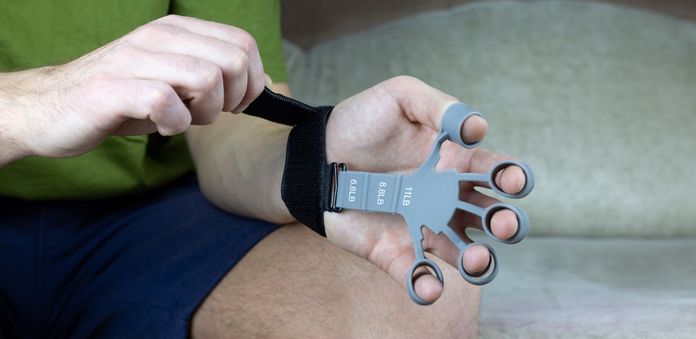

Wearable Devices in Rehab
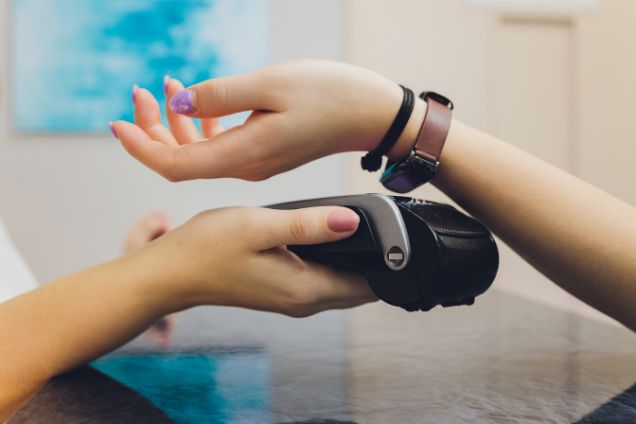
Rehabilitation has evolved significantly with the introduction of wearable technology. What were once simple fitness trackers have now become powerful clinical tools that support physical therapists in delivering more accurate, personalized, and effective rehabilitation programs. Wearable devices are reshaping how recovery is monitored, guided, and optimized across a wide range of musculoskeletal and neurological conditions.
What Are Wearable Devices in Rehabilitation?
Wearable devices in rehabilitation are compact, body-worn sensors that collect real-time data related to movement, posture, muscle activity, and physiological responses. These devices allow therapists to gain objective insights into how patients move, both during therapy sessions and in daily life. By capturing continuous data, wearables help bridge the gap between in-clinic treatment and home-based rehabilitation.
How Wearable Devices Improve Rehabilitation Outcomes
Real-Time Movement Monitoring
Wearable technology enables continuous tracking of key movement metrics such as range of motion, gait patterns, posture alignment, and activity levels. This objective data helps therapists identify movement inefficiencies, compensations, or asymmetries that may not always be visible during a brief clinical assessment.
Personalized and Data-Driven Treatment
By analyzing wearable data, rehabilitation programs can be customized more precisely to each patient’s needs. Therapists can adjust exercise intensity, progression, and technique based on measurable performance rather than assumptions, leading to safer and more effective recovery plans.
Enhanced Patient Engagement and Feedback
Wearable devices provide immediate feedback during exercises, helping patients understand whether they are performing movements correctly. This feedback improves confidence, increases motivation, and encourages better adherence to prescribed home exercise programs.
Support for Remote and Home-Based Rehab
Wearables play an important role in remote rehabilitation by allowing therapists to monitor patient progress outside the clinic. This is especially valuable for individuals who have limited access to in-person sessions or are transitioning from supervised care to independent rehabilitation.
Common Types of Wearable Devices Used in Rehab
Motion-tracking sensors are used to assess joint movement, balance, and coordination.
Muscle activity sensors measure how and when muscles activate during movement.
Smart footwear and insoles analyze walking patterns, weight distribution, and balance.
Interactive and gamified wearable systems improve engagement and promote consistent participation in therapy.
Key Benefits for Patients
Wearable technology supports more consistent progress tracking, allowing patients to see measurable improvements over time. This transparency builds trust in the rehabilitation process and encourages long-term commitment. Objective data also helps reduce the risk of re-injury by identifying faulty movement patterns early. Additionally, wearable-supported rehab can improve accessibility and continuity of care, especially for patients managing recovery at home.
Challenges and Clinical Considerations
Despite their benefits, wearable devices must be used thoughtfully. Data accuracy varies depending on device quality and proper usage. Some patients may need guidance to feel comfortable wearing and using these technologies consistently. Managing large volumes of data also requires secure systems and clinical expertise to ensure information is interpreted correctly and responsibly.
The Future of Wearable Technology in Rehabilitation
As technology continues to advance, wearable devices are expected to become even more integrated into rehabilitation care. Improvements in sensor accuracy, artificial intelligence, and real-time analytics will further enhance personalized treatment planning. Wearables will increasingly support predictive insights, helping therapists prevent setbacks and optimize recovery timelines.
Summary :
Wearable devices are transforming rehabilitation by providing real-time, objective data on movement, posture, muscle activity, and overall physical performance. These technologies help therapists design more personalized, data-driven treatment plans while improving patient engagement and adherence to exercises. Wearables also support remote and home-based rehabilitation, allowing continuous progress monitoring beyond clinic visits. When used alongside professional physiotherapy care, wearable devices enhance treatment accuracy, reduce injury risk, and support safer, more effective recovery outcomes.
Schedule Your Appointment with Health Plus Physical Therapy
At Health Plus Physical Therapy & Rehabilitation Center, our rehabilitation specialists integrate advanced wearable technology with expert clinical evaluation to deliver highly personalized physiotherapy care. By monitoring real-time movement patterns, posture, muscle activation, and functional performance, we identify movement asymmetries, muscular imbalances, and inefficient biomechanics. This data-driven approach allows us to design targeted rehabilitation programs, track progress objectively over time, and support safer recovery, improved mobility, and long-term functional confidence.
Contact us today to get started and book your appointment!